
In Sha Allah Meaning in Islam: When and Why Muslims Say It
The phrase “In Sha Allah” is one of the most commonly used expressions among Muslims around the world. It reflects faith, humility, and complete trust in Allah’s will. Understanding the meaning of In Sha Allah, its correct usage, and its importance in Islam helps Muslims strengthen their belief (iman) and align daily speech with Islamic teachings.
Meaning of In Sha Allah
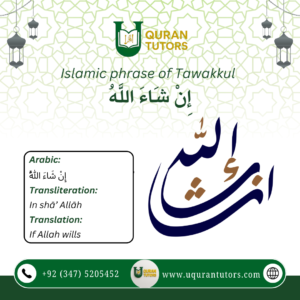
Arabic:
إِنْ شَاءَ اللَّهُ
Transliteration:
In shā’ Allāh
Translation:
If Allah wills
When a Muslim says In Sha Allah, they acknowledge that nothing happens without Allah’s permission, no matter how strong our plans or intentions may be.
Islamic Importance of Saying In Sha Allah
Islam teaches believers to connect all future plans to Allah’s will. The Quran clearly instructs Muslims to say In Sha Allah when speaking about future actions.
Allah says in the Quran:
“And never say of anything, ‘Indeed, I will do that tomorrow,’ except [when adding], ‘If Allah wills.’”
(Surah Al-Kahf 18:23–24)
This verse shows that saying In Sha Allah is not just a habit—it is an act of obedience and humility.
When Should You Say In Sha Allah?
Muslims say In Sha Allah in many daily situations, such as:
- Making future plans
- Promising to do something
- Talking about goals or intentions
- Hoping for success
- Discussing upcoming events
For example:
- “I will visit you tomorrow, In Sha Allah.”
- “I will complete my Quran lesson today, In Sha Allah.”
Benefits of Saying In Sha Allah
- Strengthens Faith: Reminds us of Allah’s control
- Builds Humility: Removes pride and self-reliance
- Brings Peace: Reduces anxiety about the future
- Follows Quranic Guidance: Earns reward
- Improves Islamic Character: Encourages sincerity
Common Misunderstandings
Some people incorrectly use In Sha Allah to avoid commitment. Islam teaches sincerity—if you intend to do something, say In Sha Allah with honesty, not as an excuse.
Spiritual and Psychological Wisdom
From a psychological perspective, trusting Allah reduces stress and fear of uncertainty. Islam taught this balance centuries ago by combining effort with reliance on Allah (tawakkul).
Learn Quran, Duas & Islamic Beliefs Online
If you want your children or yourself to learn the Quran, daily duas, Islamic beliefs, and Sunnah manners, join trusted online platforms:
Fazaile Quran Online
U Quran Tutors
They offer one-to-one online Quran classes, qualified teachers, and flexible schedules for kids and adults.
Frequently Asked Questions
It is strongly recommended when speaking about future plans.
Yes, the phrase simply acknowledges God’s will.
Yes, it helps develop faith from an early age.